
Planning Visual Base Arrival
A calm check-in starts before you reach the marina.
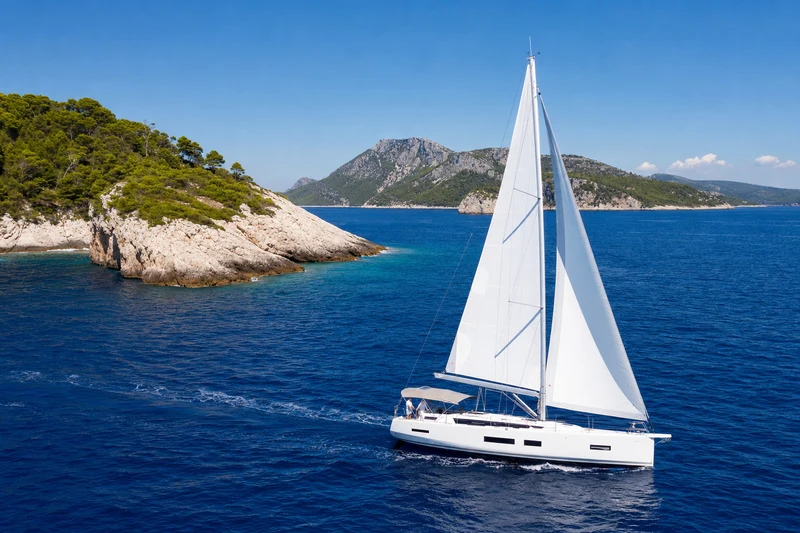
Planning Visual Documents Ready
Licences, VHF certificates and crew lists should be checked early.

Planning Visual Route Flexibility
The best itinerary is planned, but still flexible around wind and base advice.
A yacht charter becomes far easier when the practical work is finished before check-in day. The purpose of this checklist is not to replace the operator's instructions. It is to give first-time and repeat Adriatic charterers a clear decision-layer framework for what to confirm before arrival.
Core checklist by timing
6 weeks before departure
This is the window for anything that takes time to arrange:
- Confirm your crew list and collect full passport details. Charter companies require names matching travel documents — late changes can cause base registration delays.
- Check licence requirements. If you are bareboating, confirm your ICC, RYA Day Skipper or equivalent is current. If not, arrange a skipper now — the best local skippers book weeks in advance in peak season.
- Purchase travel insurance that explicitly covers sailing and water sports. Standard travel policies often exclude them. Check that emergency medical evacuation is included — helicopter evacuation from a remote Dalmatian anchorage can cost tens of thousands of euros without cover.
- Arrange flights or transfers to the base city. Split (SPU) and Dubrovnik (DBV) are the main arrival airports for Dalmatian charters. Tivat (TIV) serves Montenegro. Build in at least one buffer night — missing the charter start due to a delayed flight is an expensive loss.
2 weeks before departure
- Confirm the briefing time with your charter company. Most bases do handover briefings from 09:00 to 13:00 on embarkation day. Arriving late compresses your crew familiarisation time and your departure window before marinas fill.
- Download offline charts and navigation apps. Navionics, Aqua Map or iSailor — download the Adriatic region fully. Do not rely on data roaming for charts once offshore.
- Plan your provisioning strategy. Decide whether you are using the base provisioning service (convenient but expensive), doing a supermarket run on arrival day, or buying locally as you go. Most experienced crews do a partial stock at base and resupply at markets en route.
- Check weather patterns for your dates and familiarise yourself with the bora and jugo winds — the two dominant wind systems affecting the Dalmatian coast. Both can close harbours and require anchoring or marina changes to your itinerary.
48 hours before embarkation
- Reconfirm your booking reference and marina berth number with the company. Occasionally base assignments change.
- Prepare a document folder: passports for all crew, booking confirmation, insurance policy, skipper certificate (if bareboating), and a printed copy of your itinerary — mobile data is unreliable at some base offices.
- Brief your crew on roles. Who handles lines? Who is on helm during marina approaches? Even informal crew alignment prevents the confusion that causes dock incidents on arrival day.
- Check your bank has no transaction blocks on Croatian or Montenegrin transactions. Security deposits are typically paid by credit card at the base — a declined card delays your departure.
On embarkation day
- Attend the full briefing. The base skipper or fleet manager will cover the vessel's systems, engine start, anchor windlass, gas, heads, safety equipment locations and emergency contacts. Take notes — you will not remember everything.
- Walk through the inventory checklist with the base representative before signing. Note any existing damage on the handover form. Photograph every scratch, scuff or worn fitting — this protects your deposit.
- Test all safety equipment: life jackets, flares (check expiry dates), fire extinguisher, bilge pump, VHF radio. Do not assume it has been checked after the previous charter.
- Do a provisioning run before you depart the base town. Once you leave, prices for basics increase and selection narrows at smaller island ports.
Common things first-timers forget
- Cash in euros — many marina cafés, small anchorage buoy attendants and some fuel berths are cash only in Croatia.
- A padlock for the companionway hatch — standard boat keys offer minimal security when left in marina overnight.
- A handheld VHF radio as backup — the fixed VHF is the primary distress channel, but a handheld in a waterproof case is useful if you need to communicate from a dinghy or anchorage tender.
- A basic tool kit: adjustable spanner, screwdrivers, electrical tape and spare fuses. Minor mechanical issues on older charter boats are common — being able to address them without calling the base saves time and disruption.
| Timing | Confirm | Why it matters |
|---|
| After booking | Contract, deposit schedule, cancellation terms and security deposit. | Prevents surprise card holds or unclear refund expectations. |
| 4–6 weeks before | Crew list, passport details, skipper licence if bareboat, VHF certificate and arrival times. | Base teams need accurate documents before check-in. |
| 1–2 weeks before | Provisioning, airport transfer, marina parking, bedding, towels and water toys. | Small logistics issues become expensive when solved at the last minute. |
| Check-in day | Inventory, fuel level, safety kit, dinghy, outboard, toilets, sails and existing damage. | A careful handover protects the deposit and sets realistic route limits. |
Documents to prepare
For a skippered charter, each guest normally needs passport or ID details for the crew list. For a bareboat charter, the named skipper should confirm accepted sailing credentials and radio certification before travel, not at the marina desk. If in doubt, ask the operator to confirm acceptance in writing.
Base arrival questions
When you arrive, ask where to refuel before return, what the local no-go zones are, how to contact technical support, whether there are marina quiet hours, and how weather updates are communicated. These questions make the week smoother and reduce the need for rushed decisions at sea.
What not to over-plan
Do not lock every lunch stop and swim cove before departure. Adriatic sailing is best when the framework is strong but the itinerary remains flexible. Weather, berth availability and the skipper's local advice should shape the final route.
Related Guide Charter Insurance Guide
Understand deposits, damage waivers and travel cover before booking.
Read more → Related Guide Packing Guide for Adriatic Sailing
A minimalist packing system for one-week yacht and catamaran trips.
Read more →